
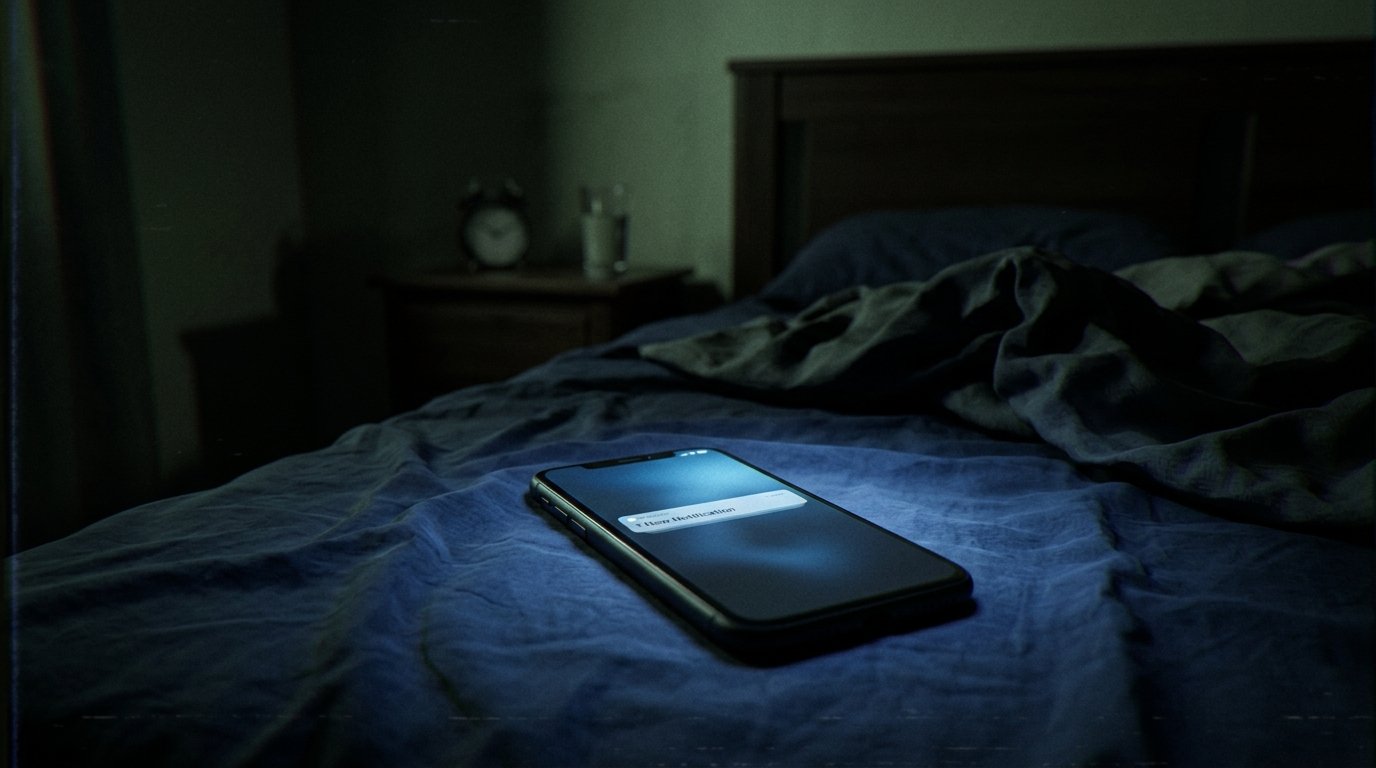
There are jump scares, and then there are sounds that get under your skin without ever raising their volume. The fear of fathom notification sound belongs firmly in the second category. It isn’t a shriek, a stinger, or a wall of distorted noise. It’s a short, clean, almost ordinary-sounding alert tone — the kind of chime you’d expect from any smartphone. And yet, within the world of the Fears to Fathom game series, that same unassuming sound has become one of the most recognizable pieces of audio in modern indie horror, spawning soundboards, TikTok memes, ringtone downloads, and an entire micro-genre of comedic “fake tension” clips online.
This article digs into where the fears to fathom notification sound comes from, why it works so effectively as a horror device, how it escaped the game and became an internet meme, and why such a quiet little ping has managed to outlast plenty of louder, flashier horror effects.
What Is Fears to Fathom?
To understand the notification sound, you first have to understand the game it comes from. Fears to Fathom is a horror franchise built around episodic, anthology-style psychological horror games created by Indian developer Mukul Negi, working under the pseudonym Rayll, through his studio Rayll Studios. The series began in July 2021 with its first installment, Home Alone, and has since grown into a full anthology including Norwood Hitchhike, Carson House, Ironbark Lookout, Woodbury Getaway, and Scratch Creek, with more episodes continuing to be released.
Each entry is a standalone story, but they all share a similar format: a first-person, point-and-click style game in which the player steps into the shoes of an ordinary person — a teenager home alone, a driver stranded on a desolate highway, a college student house-sitting for a stranger, a fire lookout stationed deep in a forest — who slowly realizes that something around them is deeply wrong. The series is explicitly marketed as being “narrated by the ones who survived,” presenting each game as though it were a recounted true story rather than pure fiction. That framing device is central to why the games feel so unsettling; the horror isn’t supernatural monsters or jump-scare gimmicks, it’s the slow creep of realizing an ordinary situation has turned dangerous.
This grounded, true-crime-adjacent approach to horror is part of what critics have praised. Reviewers have pointed to how effectively the games translate real-world survival accounts into playable tension, even while some have noted pacing issues across the longer episodes. The series has also been cited as a direct influence on other indie horror titles that followed, and it’s frequently compared to Japan’s Chilla’s Art, another studio known for low-fi, VHS-style analog horror games rooted in psychological dread rather than monster design.
The Sound Itself: Quiet, Ordinary, and Deeply Unsettling
Within that atmosphere of slow-building dread, the notification sound plays a small but pivotal role. In-game, it’s used the way a real phone notification would be used — to signal an incoming text, a call, or some kind of alert. The audio design is deliberately minimal: a short, clean electronic tone, not unlike a generic smartphone notification chime. There’s no horror-movie sting layered underneath it, no pitch-shifting, no distortion.
That minimalism is exactly the point. Horror games and films often rely on loud stingers to manufacture a jump scare — a sudden blast of noise timed to a visual shock. The fears to fathom notification sound does almost the opposite. It’s the sound equivalent of a normal household object suddenly feeling wrong. Because the tone is so mundane, players’ brains initially process it as harmless background noise, the same way you’d barely register your own phone buzzing. But because it tends to appear at moments of rising tension — often right before, or during, some unsettling development in the story — the sound becomes loaded with dread by association. By the time a player has gone through one full episode, hearing that same notification tone again is enough to trigger a flinch, even with nothing else happening on screen.
This is a classic horror technique sometimes described as “weaponizing the mundane.” Instead of inventing a scary new sound, the game takes something the player already associates with daily life — a phone alert — and recontextualizes it as a warning sign. It doesn’t scream that something is wrong. It just quietly suggests it, which is arguably more effective, because it leaves your imagination to fill in the rest.
From In-Game Audio to Internet Meme
Plenty of horror games have memorable sound design, but very few have it cross over into mainstream meme culture the way this one has. The fears to fathom notification sound has been uploaded to multiple instant-soundboard sites, where users can play it back with a single click, and it has racked up well over a million plays on platforms dedicated to short, shareable sound clips. It’s also been packaged as a free downloadable ringtone and notification tone on platforms like Zedge, where multiple separate uploads of the same effect exist under slightly different names, each with its own following.
The meme usage tends to fall into a few recognizable patterns:
- Fake tension build-ups: Creators play the sound mid-video to imply something ominous is about to happen, then subvert the expectation with something mundane or comedic.
- Gaming fail compilations: The chime gets dropped into clips of in-game mistakes or unlucky moments, framing an everyday gaming blunder as if it were the start of a horror story.
- “Oh no” reaction stings: Because the tone reads as both eerie and slightly comedic out of context, it’s frequently used as a stand-in reaction sound for minor real-life mishaps, similar to how other meme sound effects get repurposed as ironic commentary.
- Analog horror parody content: Given that Fears to Fathom is closely associated with the broader “analog horror” aesthetic — a genre built on VHS-style visuals and unsettling, low-fidelity audio — the notification sound gets used by creators making their own parody or homage content in that same visual style.
What’s notable is how the sound’s effectiveness actually depends on context-switching. In the original game, it works because it’s quiet and easy to mistake for something harmless. In meme usage, it works for almost the opposite reason: viewers now recognize it instantly as “the creepy notification sound,” so dropping it into an unrelated clip immediately signals “something ironic or ominous is about to happen here,” even in broad daylight, even in a completely non-horror video. The sound has effectively become a piece of shorthand — a single audio cue that an entire internet audience now associates with a very specific flavor of suspense.
Why This Particular Sound Caught On
It’s worth asking why this specific notification tone, out of the countless horror sound effects produced every year, became a viral audio meme rather than fading into the background of a niche indie game. A few factors seem to be at play.
First, there’s recognizability through repetition. Because Fears to Fathom is structured as an anthology with multiple popular episodes, the same notification sound recurs across different stories and different playthroughs. Horror YouTubers and streamers who cover the series repeatedly trigger the same audio cue in their videos, which means millions of viewers have been passively exposed to it, often without realizing it had a name or an identity separate from “that one creepy game sound.”
Second, there’s the brilliant simplicity of the sound itself. A short, two-or-three-second clip is inherently more shareable and remixable than a long musical cue. It’s easy to drop into a 15-second TikTok, easy to loop, easy to layer under other content without overwhelming it. Longer horror stingers from big-budget films tend to stay tied to their specific scenes; short, generic-sounding alerts travel much more easily because they don’t carry overt visual baggage.
Third, the underlying concept — an ordinary notification sound that secretly means danger — taps into a very real, very modern anxiety. Most people now live with a phone in arm’s reach at all times, and notifications are a constant, often unwelcome, presence in daily life. A horror sound that exploits that exact relationship hits differently than a more abstract monster roar or ghostly wail. It suggests that danger might already be sitting in your pocket, disguised as something completely ordinary. That’s an unsettling idea independent of any specific game, which helps explain why the sound resonates with people who’ve never even played Fears to Fathom.
How People Are Actually Using It
If you spend any time browsing soundboard sites or short-form video platforms, you’ll notice the fears to fathom notification sound shows up in a handful of very specific, very deliberate ways. Understanding these use cases helps explain why the sound has had such staying power compared to other horror game audio clips that get uploaded once and then largely forgotten.
As a creepy custom notification tone. A surprising number of people don’t use the sound for memes at all — they download it specifically to set as their actual phone or app notification sound. There’s a certain dark humor in choosing an objectively unsettling tone to announce a text message or email, and it’s become a popular novelty choice among horror fans who want their phone to subtly reflect their taste in games. Several ringtone platforms host multiple independent uploads of the same clip from different creators, which suggests sustained, ongoing demand rather than a single viral spike that faded.
As a tension cue in original content. Horror content creators, especially those making their own analog horror or found-footage style videos, frequently borrow the sound to signal an approaching threat without giving anything away visually. Because audiences already associate the tone with Fears to Fathom’s slow-burn dread, using it in an unrelated project instantly imports that same emotional context. It’s a shortcut: instead of building tension purely through pacing and visuals, a creator can drop in a sound the audience already has feelings about.
As an ironic comedy beat. This is probably the single biggest driver of the sound’s spread beyond horror-specific audiences. Creators will play the notification tone during a clip of something mundane — burning toast, missing a bus, dropping a phone — to retroactively frame an everyday inconvenience as a horror movie moment. The joke relies entirely on the audience already knowing what the sound means; without that shared context, it would just be a generic chime with no comedic weight at all. This is the same mechanism that drives a lot of internet sound-meme humor: take something that signifies dread in one context, then deploy it somewhere wildly mismatched for laughs.
As background texture in soundboards and Discord servers. Because the clip is short and instantly recognizable, it’s a popular pick for soundboard apps used during voice chats in Discord, Roblox, and similar platforms, where players drop sound effects into ongoing conversations for comedic timing. Its brevity makes it easy to fire off quickly without derailing a conversation the way a longer clip would.
Across all of these use cases, the throughline is the same: the sound has become detachable from its source material. Plenty of people sharing or downloading it have likely never played a single Fears to Fathom episode, yet they instantly understand the tone’s intended effect. That’s a fairly rare achievement for game audio — most sound effects stay tied to their original context, recognized only by players of that specific game. This one has slipped its leash entirely.
A Small Sound With a Big Footprint
It’s rare for a single sound effect from a relatively niche indie horror series to spawn its own ecosystem of soundboards, ringtone downloads, and meme compilations, but the fears to fathom notification sound has managed exactly that. It works as horror because of restraint — a quiet, ordinary chime that lets dread build rather than forcing it through volume. And it works as a meme because of recognizability — once you’ve heard it once in the right context, you can’t hear it again without immediately bracing for something to go wrong, even if you know, logically, that nothing will.
That dual life — as a carefully engineered piece of game sound design and as an internet-wide shorthand for “uh oh” — is a good example of how horror media doesn’t always need big, loud moments to leave a lasting impression. Sometimes the most effective scare is the one that sounds exactly like your own phone going off.